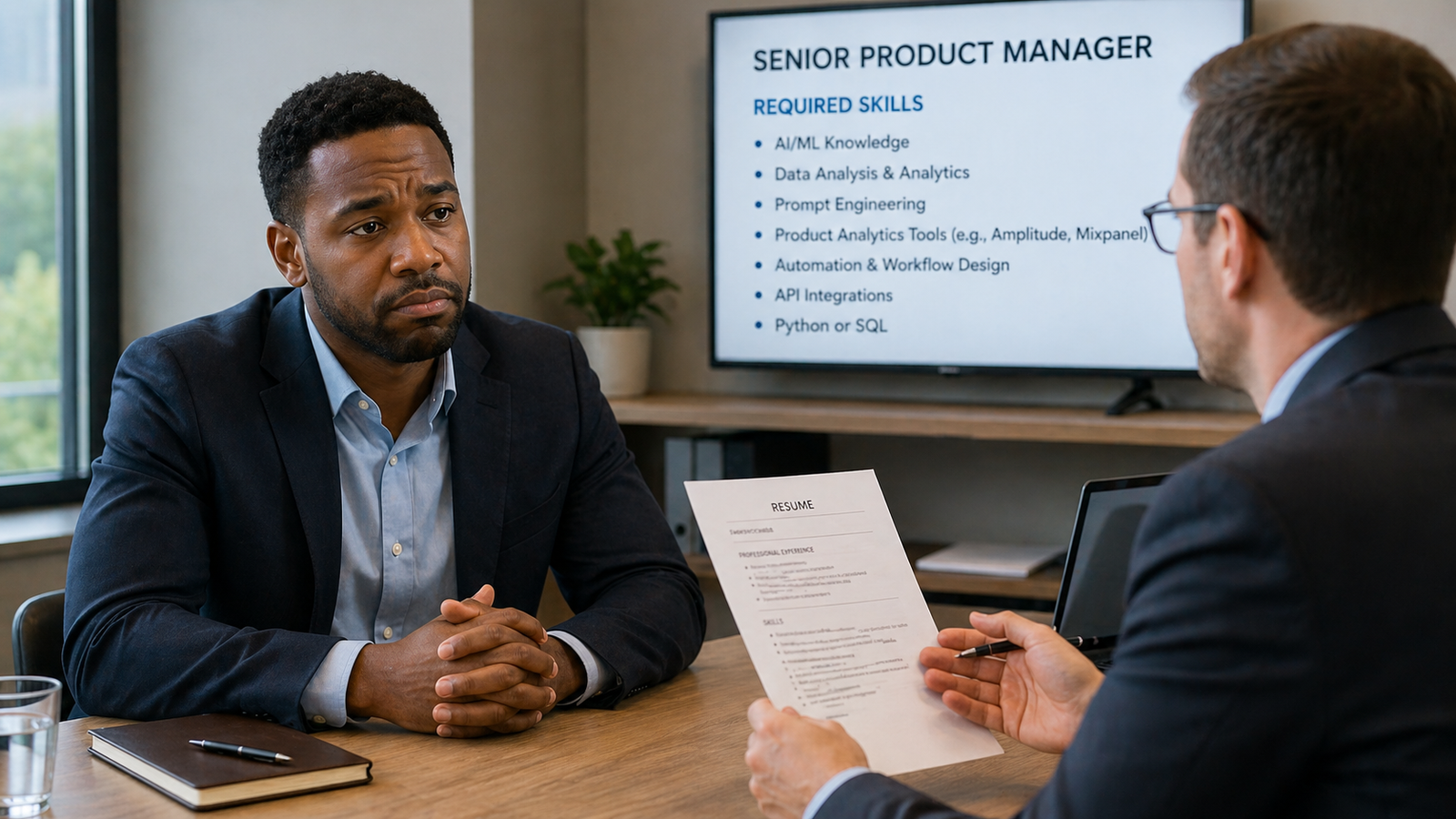
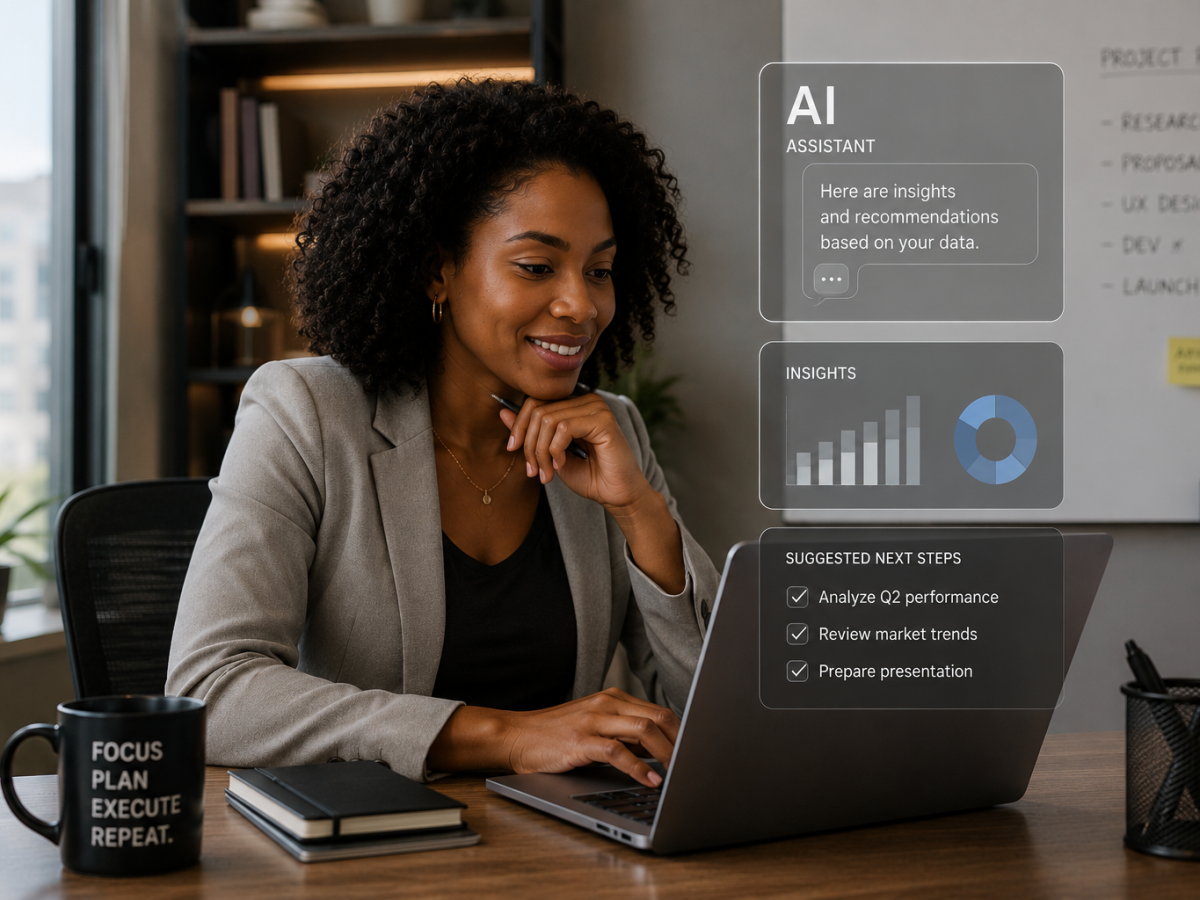

For years, career growth followed a relatively predictable formula. A professional gained experience, improved performance, earned promotions, and steadily increased their value within an organization. Stability was often tied to expertise. The more specialized someone became, the safer their career appeared to be.
Today, that equation is changing.
Artificial intelligence, automation, economic uncertainty, and shifting workplace structures are redefining how organizations think about talent. Entire industries are being reshaped in real time. Tasks that once required teams can now be completed through software, workflows are becoming increasingly automated, and employers are reevaluating which skills truly create long-term business value.
This has created understandable anxiety for many professionals. Conversations about AI often center around job loss, replacement, and disruption. Headlines routinely frame technology as a direct threat to workers, leaving many people wondering whether the careers they have spent years building will still exist in the same form a decade from now.
But the deeper issue is not simply whether jobs disappear.
The more important question is whether the skills attached to those jobs remain valuable.
That distinction matters because most careers will not vanish overnight. Instead, the nature of work inside those careers will evolve. The professionals who continue advancing will not necessarily be the people who resist change the hardest. They will often be the individuals who learn how to adapt faster than the environment around them.
Future-proofing a career is ultimately less about protecting a specific role and more about building the kind of value that remains useful no matter how industries shift.
AI Is Reshaping Work Faster Than Most People Realize
Much of the public conversation around AI still focuses on obvious examples like chatbots, image generators, or automated customer support. However, the real transformation is happening more quietly inside organizations.
Companies are beginning to rethink how work itself is structured.
Administrative processes are becoming automated. Research tasks are being accelerated. Reporting, scheduling, analysis, content generation, documentation, and operational workflows are increasingly supported by intelligent systems that reduce time and labor requirements.
This does not always eliminate positions entirely, but it often changes what organizations expect from the people inside those positions.
The employee who once created reports manually may now be expected to interpret data strategically. The marketer who previously focused only on content production may now need stronger analytical and business skills. The project manager who relied heavily on coordination may now need to demonstrate broader operational leadership and decision-making ability.
In other words, the baseline for what creates professional value is rising.
Execution alone is becoming easier to automate. Judgment, communication, adaptability, leadership, creativity, and strategic thinking are becoming more important because they are harder to replicate through systems and software.
This is why many professionals misunderstand the real impact of AI. The immediate danger is often not unemployment. It is gradual irrelevance.
A professional can remain employed while slowly becoming less differentiated, less strategically important, and more replaceable over time.
That process is far more subtle—and far more common.
The Most Dangerous Career Strategy Is Rigidity
One of the biggest misconceptions about career security is the belief that stability comes from remaining deeply attached to one specific way of working.
In reality, rigidity often creates vulnerability.
Industries evolve. Technologies change. Organizational priorities shift. Economic downturns force companies to restructure. Entire functions become streamlined. Professionals who build their identities too narrowly around one tool, one process, or one highly specific expertise can find themselves exposed when the market changes direction.
This is especially important in an era where technology evolves faster than traditional career timelines.
A degree earned ten years ago may still hold value, but the surrounding industry may now require completely different capabilities. A role that once depended heavily on technical execution may increasingly prioritize strategic interpretation and collaboration. Skills that were highly rewarded five years ago may now be considered baseline expectations.
The professionals who remain valuable are often the ones who develop adaptability alongside expertise.
Adaptability does not mean abandoning specialization altogether. It means building the ability to evolve your skills, thinking, and positioning as circumstances change.
That flexibility creates resilience.
A professional who understands communication, leadership, analytics, systems thinking, business operations, and relationship management can move across changing environments more effectively than someone whose value depends entirely on one narrow capability.
The future increasingly rewards range.
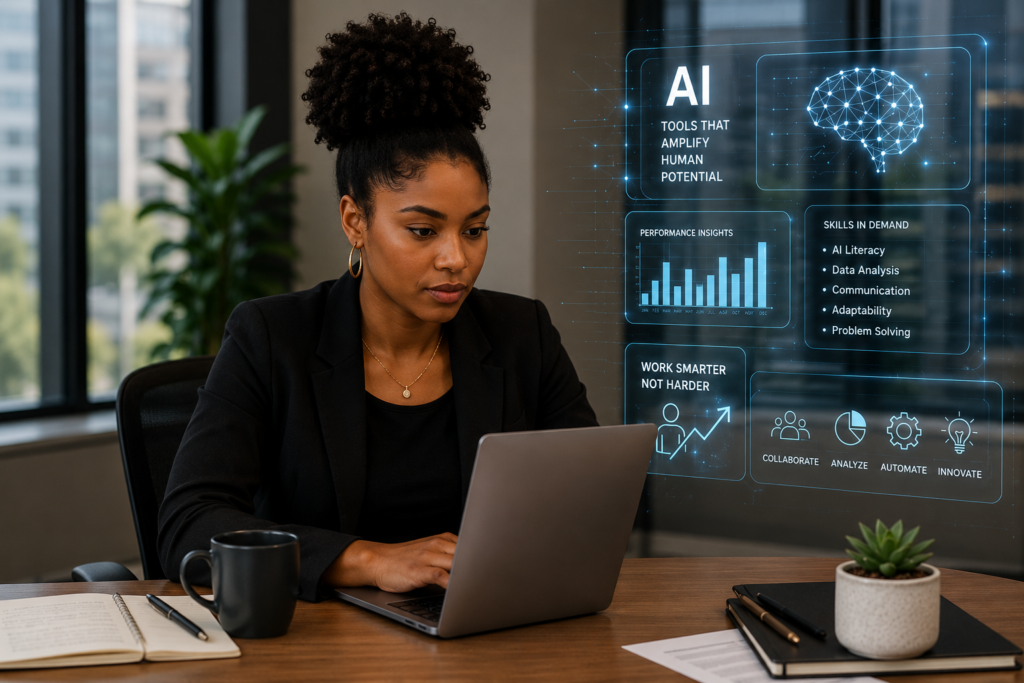
The Skills That Will Matter Most Moving Forward
While no one can predict the future perfectly, certain patterns are already becoming clear across industries.
The professionals who continue advancing are typically strengthening skills that technology complements rather than replaces.
Communication remains one of the most durable career advantages because organizations still depend on people who can influence, align teams, explain complexity clearly, and build trust across functions. AI can generate information quickly, but it cannot fully replace human judgment, emotional intelligence, or nuanced leadership communication.
Strategic thinking is becoming increasingly valuable because businesses need people who can connect information to outcomes. The ability to prioritize, identify patterns, evaluate tradeoffs, and make sound decisions under uncertainty remains highly valuable in volatile environments.
Adaptability itself has become a core professional skill. Employers increasingly favor people who can learn quickly, operate across ambiguity, and adjust to evolving systems without becoming overwhelmed by change.
Relationship capital also matters more than many professionals realize. Careers are still heavily influenced by trust, visibility, credibility, and collaboration. Technology may streamline workflows, but opportunities continue to flow through human networks.
Finally, professionals who understand how to work alongside technology rather than compete against it will likely hold a significant advantage. AI literacy is rapidly becoming similar to digital literacy years ago. The goal is not necessarily to become an engineer or technical expert. The goal is to understand how emerging tools can increase productivity, improve decision-making, and expand professional leverage.
The future does not belong only to technical specialists.
It belongs to professionals who know how to combine human capability with technological acceleration.
Career Security Comes From Transferability
One of the most important questions professionals can ask themselves is this:
“If my current role disappeared tomorrow, what skills would still travel with me?”
That question reveals the difference between role dependency and professional durability.
Transferable skills create long-term security because they remain valuable across industries, companies, and economic conditions. Leadership transfers. Communication transfers. Strategic problem-solving transfers. Relationship-building transfers. Operational thinking transfers.
These capabilities create mobility.
Many professionals unintentionally build careers around employer-specific systems, narrow workflows, or isolated expertise that has limited applicability elsewhere. Over time, this can create hidden fragility because the individual becomes deeply valuable inside one environment while becoming less adaptable outside of it.
Future-proofing a career requires intentionally developing capabilities that extend beyond a single title or employer.
This is one reason stretch assignments, cross-functional work, and broader business exposure matter so much. They strengthen professional versatility. They force individuals to operate outside routine execution and build skills that remain useful in changing environments.
The goal is not simply to perform a job well today.
The goal is to continue being valuable regardless of what changes tomorrow.
Why Long-Term Thinking Matters More Than Ever
Modern career culture often encourages short-term thinking.
Professionals focus on the next raise, the next promotion, or the next title change. Social media reinforces comparison cycles where external milestones become the primary markers of success.
But future-proof careers are usually built differently.
They are built through long-term capability development.
The professionals who remain resilient across decades are often those who consistently invest in learning, strategic relationships, communication ability, adaptability, and business understanding even when immediate rewards are not obvious.
This approach compounds over time.
A professional who spends years strengthening judgment, leadership, visibility, and versatility develops far greater long-term leverage than someone focused only on short-term execution metrics.
The future workplace will likely continue changing faster than many organizations can fully predict. Entire industries may evolve repeatedly over the next decade. New technologies will emerge. Business models will shift. Economic cycles will create instability.
But professionals who consistently build adaptable value will remain positioned to navigate those changes more effectively than those who rely solely on stability itself.